
spinsy casino is best approached as a large catalogue rather than a single style of gambling. The Canadian-facing lobby brings together slots, instant games, table games, jackpots and live dealer titles, with search, category and provider filters to narrow the choice. That breadth can be useful, but it can also make browsing unfocused. A practical approach is to decide what kind of experience you want first, then compare games using visible information such as format, pace, theme and volatility indicators where provided.
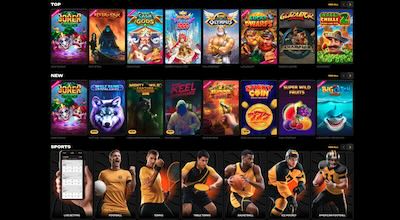
Start with the type of play you actually want
The quickest way to make a large casino lobby manageable is to begin with the experience rather than the game title. Slots suit readers who want automated rounds, changing themes and a wide variety of bonus mechanics. Instant games generally offer simpler interfaces and shorter sessions, while table games provide familiar rules such as roulette, blackjack or baccarat. Jackpot games add the attraction of a potentially changing prize pool, although the chance of a large result should never be confused with a reliable return.
Live dealer games occupy a different middle ground. They use streamed tables and human presenters, which can make roulette, blackjack, baccarat and game-show formats feel more social than standard digital versions. The catalogue also identifies poker, dice, international tables and themed sections such as Gold Saloon. Game shows including Crazy Time, Mega Ball and Deal or No Deal may appeal to someone looking for a more entertainment-led format rather than a traditional reel game.
Make a short list of two or three categories before opening individual titles. For example, a reader might choose low-complexity instant games, conventional blackjack and live roulette, then compare only within those groups. This prevents a visually prominent title from deciding the session by default. It also makes it easier to notice whether you prefer quick decisions, slower table play, familiar rules or novelty. If the choice still feels excessive, begin with the category labels Top, New, Popular, Exclusive, Live Games, Instant Games, Slots, Table Games or jackpots.
Use filters to reduce a catalogue of thousands
A large catalogue is only useful when its navigation tools are used deliberately. Search is helpful when you already know a title or provider, while category filters are better when you know the format but not the name. Provider filters can also reveal whether a familiar studio’s design approach suits you. The Canadian lobby lists providers such as Hacksaw Gaming, Amusnet, BGaming, Booongo, Spinomenal, Yggdrasil, Amatic, Oryx, Evoplay and CT Interactive, among many others.

Provider familiarity should be treated as a sorting aid, not a quality guarantee. Two games from the same studio can differ substantially in pace, bonus mechanics, presentation and risk profile. Likewise, a new or exclusive label describes how a title is presented in the lobby, not whether it offers better odds. When comparing results, note the game type first, then the theme, interface and any available mathematical information. Avoid selecting solely because a title appears near the top of a list.
Filters work best when combined in stages. Start with a broad group such as slots or live games, narrow it by provider only if you have a reason, and then inspect a small number of titles. If you are browsing on a phone, record promising names rather than opening dozens of tabs. The browser-based lobby is designed for search and categories, and many titles support demo play. That can help you understand controls and pace, but a short demonstration cannot establish actual long-term returns, volatility or personal suitability.
Compare games by pace, complexity and risk
Game discovery should include more than appearance. Pace describes how quickly decisions and rounds occur; a simple slot may allow rapid automated play, while live blackjack involves pauses between hands. Complexity concerns the number of rules, features and decisions a player must understand. A familiar table game may be easier to evaluate than a slot with several bonus modes, expanding symbols and layered progress mechanics, even if both look equally accessible.
Risk is harder to judge from a thumbnail. Where a game displays return-to-player information, volatility or rules, read those details before treating the title as a serious option. RTP is a theoretical long-run statistic, not a promise for one session, and volatility describes how results may be distributed rather than predicting what will happen next. A high advertised prize can accompany long periods without a significant result. Neither demo play nor a recent winning streak changes those underlying limitations.
A useful comparison note can contain four items: game type, typical round pace, rule complexity and the risk information shown by the operator or provider. Add a fifth note for any feature that could affect your behaviour, such as rapid re-spins, escalating multipliers or frequent bonus prompts. For broader Canadian information about gambling-related risks and informed choices, consult the Responsible Gambling Council’s public resources. The aim is not to predict winners, but to select entertainment that you understand and can stop without chasing losses.
Choose between standard, live and novelty formats
Standard digital games are usually the easiest place to compare several options quickly. Slots cover a particularly broad range, from straightforward three-reel designs to feature-heavy modern titles. Instant games may feel more direct, while digital roulette, blackjack and baccarat offer rule sets that many players already recognize. These formats can be appropriate for someone who values speed, clear menus or the ability to browse without a streamed table.
Live casino is worth considering when presentation and human interaction matter more than maximum speed. Roulette, blackjack and baccarat are joined by poker, dice, international tables and game-show formats. The trade-off is that live play may involve waiting for a new round or following a table schedule. That can be useful for slowing down, but it may feel inconvenient if you want short, private bursts of play. Choose the format that matches your preferred pace rather than assuming live presentation is automatically more engaging.
Novelty sections, jackpots and provider campaigns can be useful for discovering unfamiliar formats, but they need a little extra caution. A dramatic theme, progressive-looking display or limited-time placement can create urgency without changing the game’s basic mathematics. Read the rules, identify the stake controls and understand any bonus feature before committing funds. If you are comparing a familiar title with a new one, use the same criteria for both: clarity, pace, complexity and whether the possible downside fits your intended entertainment budget.
Turn browsing into a repeatable selection routine
A repeatable routine prevents the lobby from controlling the decision. Begin by setting a time and spending boundary before browsing, then select one category that matches your intended experience. Remove games whose rules you do not understand, whose pace feels uncomfortable or whose feature design encourages you to increase stakes. Three or four candidates are enough for a comparison; a longer list often creates choice fatigue rather than better judgement.
Next, inspect each candidate in the same order. Read the basic rules, check the pay information and identify the stake range. Look for any available RTP or volatility description, while remembering that these figures describe mathematical expectations over very large numbers of outcomes. If demo play is available, use it only to learn navigation and mechanics. Do not use a short sequence of demo results as evidence that a game is “due,” profitable or safer than another.
Finally, choose one title and review the decision after the session rather than switching repeatedly in search of a better result. Ask whether the pace was comfortable, whether the controls were clear and whether the game encouraged choices you had not planned to make. Keep notes if you are comparing several formats over time. If browsing becomes difficult to control, pause instead of moving to another category. Support can explain account options, but readers should confirm which controls and restrictions are available on their own account.
Questions readers often ask about game discovery
Is a popular game more likely to win?
No. Popularity reflects visibility, theme, player interest or promotion, not a guaranteed outcome. A popular slot or table game can produce losses just like a less prominent title. Compare rules, pace and available mathematical information instead of treating a Top or Popular label as evidence of better chances.
Does demo play show how a game will perform for money?
Demo play can show the interface, round structure and bonus mechanics, but a short sample cannot verify RTP, volatility or future results. Use it as a learning tool only. Treat real-money play as a separate decision with its own financial consequences and never increase stakes to reproduce a demo result.
Which format is easiest for a new player to understand?
That depends on your familiarity and tolerance for complexity. Basic roulette or blackjack rules may feel clearer than a feature-heavy slot, while an instant game may have fewer menus. Read the rules before playing, start with the simplest suitable format and avoid any title whose controls or outcomes remain unclear.